
Customer story
Merge, Attack, Win: BugHunter Plays Mystic Duel From the Public Store Build
Wooden Sword Games runs BugHunter on Mystic Duel, a drag-and-drop merge card battler, straight from the public store build: no SDK, no hooks, no special build.
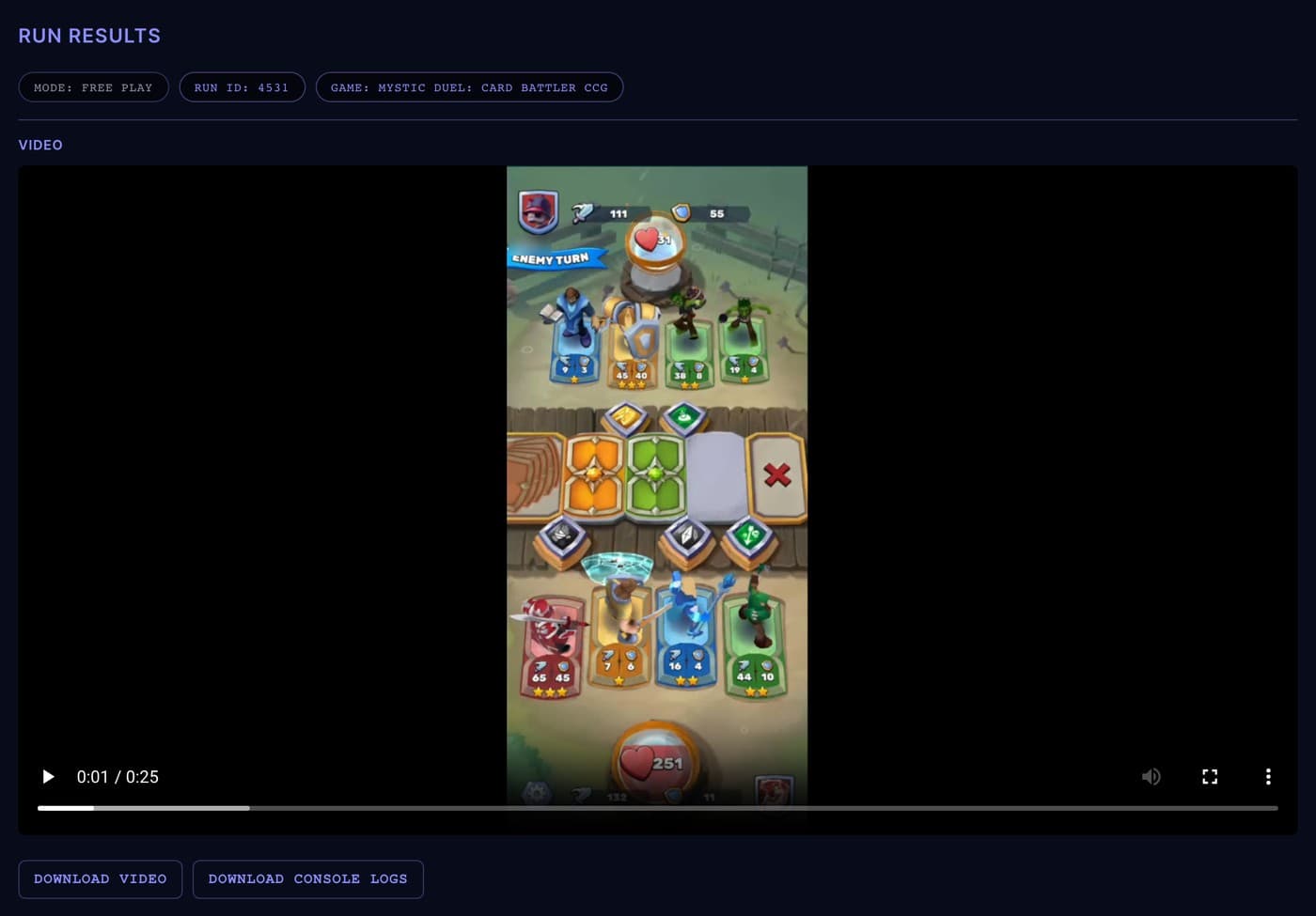
A red card slides in beside a red hero. They merge. The battle ends on You Win, with +5 trophies.
One recording captures that full PvP battle in Mystic Duel: Card Battler CCG. An AI agent played it on the public store build of a drag-and-drop merge card battler, the kind of game scripted bots struggle with. Wooden Sword Games runs BugHunter by Nodemori on the same build: no SDK, no hooks, no special build.
Why merge play trips up scripted bots
Wooden Sword Games is a mobile game studio registered in London. Its games include Puzzle Wars: Heroes, a match-3 RPG with competitive PvP, and smaller hybrid-casual titles such as Snack Bag and Snail Wars.
In Mystic Duel, three cards sit face up in the centre row and each player has four slots. Same-colour cards of the same rank merge into stronger heroes. Placing a card triggers an automatic attack, and abilities unlock from merge rank 2.
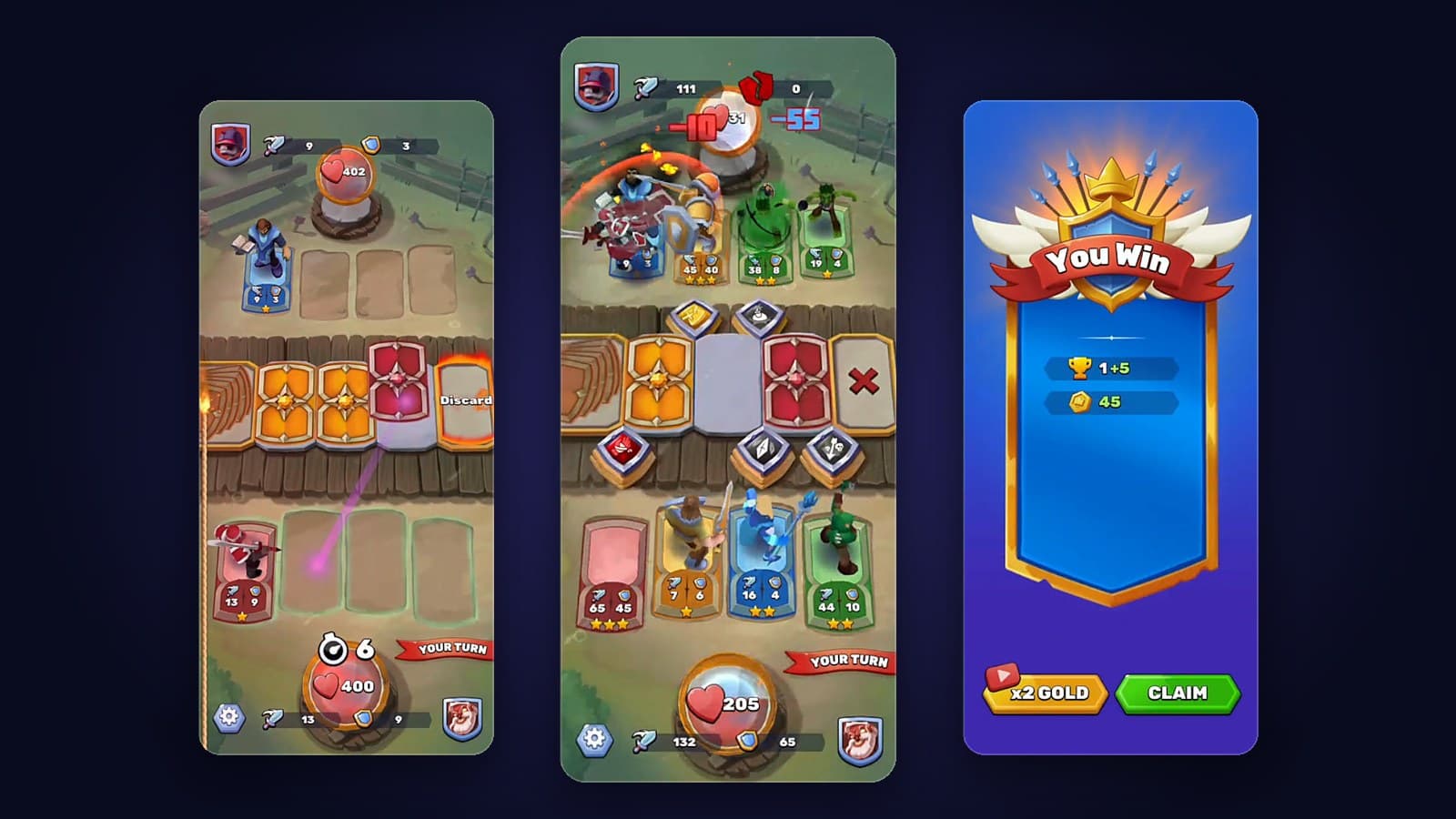
For a player, that is the fun. For a scripted bot, it is a row of traps: drags instead of taps, colour and rank rules on every move, a turn to read, and a lives gate that locks battles for hours after a loss. Beyond combat lie hero upgrades, leagues, Trophy Road, chests and a shop with secure store payment screens. The agent learned merge play from a short action specification, not a script.
Dealt in early
BugHunter was playing Mystic Duel before there was a contract. It ran its first test cases, won a full battle, and then a scout run cleared the whole tutorial.
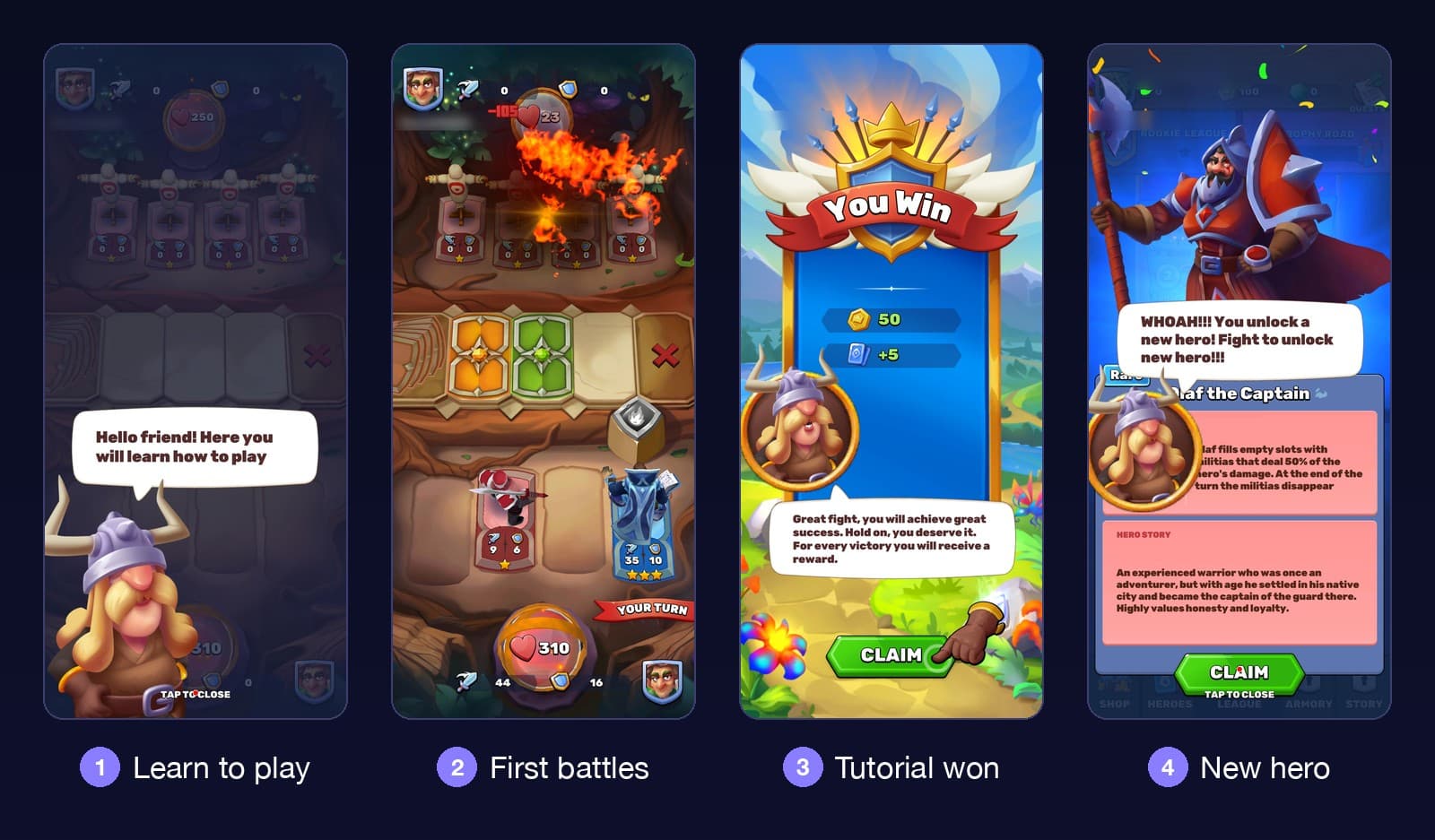
The team settled on the public build, and BugHunter installed it straight from the store. The first package followed: two gameplay videos, a generated design document and two specifications.
With that package in hand, the studio described what it wanted next:
- Brief an agent the way it briefs a tester.
- Play chosen situations to check balance.
- Log wins and losses by league.
- See the game on different screens without owning a hundred devices.
Watching thousands of playtest videos was not an option.
Then came a dedicated environment with Mystic Duel installed and its specification preloaded, a live onboarding session with the studio's team, and a test-payment account so purchase flows could be tested without real charges. Today Wooden Sword runs BugHunter on a paid subscription.
“I needed to see it work without integration. BugHunter installed Mystic Duel straight from the store, with no SDK or special build. Before any contract, it was already merging cards and had won a full battle. That made me take it seriously.”
Let it explore, let it play
With no instructions, the agent goes screen by screen. Its findings feed a structured specification and a design document. Point it at a competitor's title and the same mode turns into fast deconstruction.
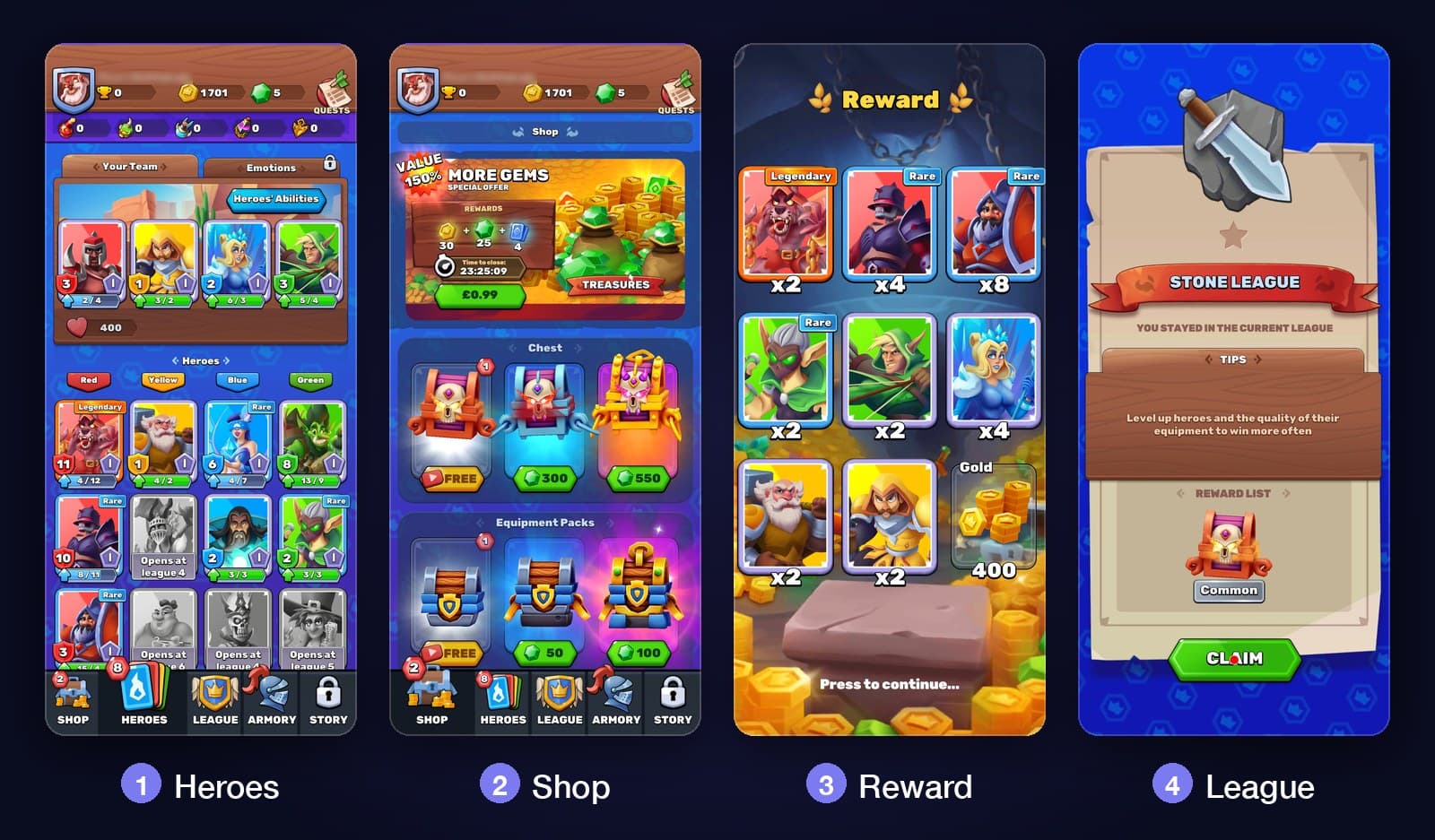
In free play, BugHunter reads the cards, drags them into slots, merges same-colour heroes and uses abilities. Every session comes back with its video and console logs, ready to review.
Write the test like a tester's brief, then replay it
Each step has an expected result that the agent checks on the live game: start a battle, open Settings, exit, expect You Lose. When it could not find a button, it stopped and named the missing element instead of guessing.
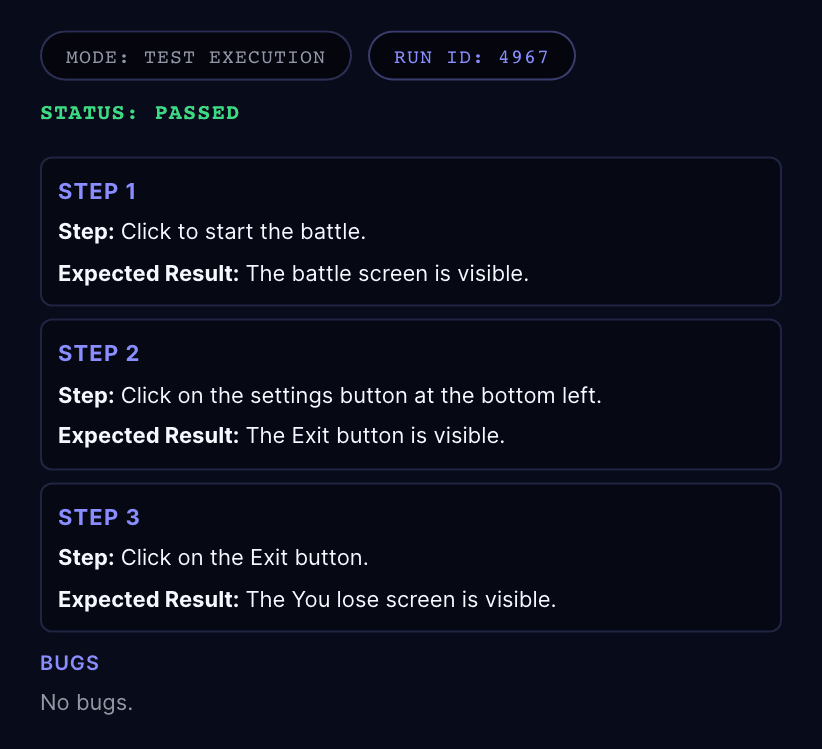
A passing test, or a playthrough a tester records by hand, becomes a replay that runs with zero AI calls.
What BugHunter found
Free play is not a demo mode. While the agent fights battles and walks the menus, it watches the screen for anything a player would notice, then a second automatic pass re-checks each flag before it reaches the team. On the live build, here is what held up.
- 58% of flags were confirmed as bugs on re-check.
- 100% of confirmed bugs came with video and a screenshot.
- 100% of confirmed bugs were player-facing polish: 57% text issues, 29% layout issues, 14% render glitches.
- 42% of raw flags were filtered out by the re-check, so the team reviews them as questions, not tickets.
What the agent brought back
Across BugHunter's runs on Mystic Duel:
- Zero integration work. The public store build, as players get it: no SDK, no hooks, no special build.
- Playing before the contract was signed: test cases, a won battle and the whole tutorial.
- A map of the game: 23 screen states and 29 recorded transitions, from the tutorial to the shop. The specification lists seven game modes and six resources.
- Five of five regression replays passed, each one or two steps long, each under 45 seconds, with zero AI calls. Three ran in Wooden Sword's own workspace.
Building a card battler or a merge game?
Start with a free pilot on your own game.